Soon stocks will run out
Dont miss this opportunity while supplies last.




Soon stocks will run out
Dont miss this opportunity while supplies last.


What Is Gari? How to Prepare Eba and Enjoy Cassava Granules

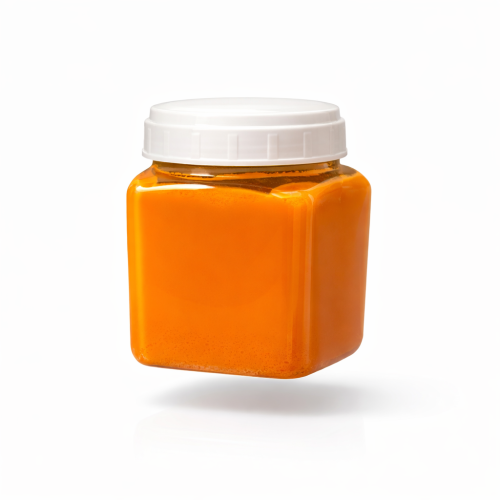
Gari is a granular food made from cassava. The roots are peeled, grated, processed to reduce moisture and naturally occurring compounds, then toasted into dry granules. Gari is valued for its long shelf life, convenience, and versatility in households across West Africa.
White gari and yellow gari
White gari is toasted without palm oil and usually has a pale cream color. Yellow gari contains palm oil, which gives it a golden appearance and a distinct flavor. Texture and sourness also vary by producer and region. Ijebu gari, for example, is often known for a finer texture and sharper taste.
How to prepare eba
- Bring clean water to a boil.
- Pour the hot water into a heat-safe bowl.
- Sprinkle gari gradually over the water.
- Allow it to absorb briefly, then stir and fold with a sturdy spoon.
- Add a little more gari if it is too soft or hot water if it is too firm.
- Continue folding until the eba is smooth and holds together.
Eba is commonly served with egusi, okra, ogbono, vegetable, groundnut, or other soups. The ideal firmness is personal, so adjust the ratio until it feels right for you.
Other ways to enjoy gari
Gari can be soaked in cold water and enjoyed with sugar, milk, peanuts, coconut, or fruit. It can also be sprinkled over beans for added texture. Because gari absorbs liquid quickly, start with a modest serving and add more as needed.
Storage tips
Keep gari dry in an airtight container. Use a clean, dry scoop and protect it from moisture and pantry pests. If the product develops an unusual smell, visible mold, or damp clumps, discard it. Browse Magache’s flours, grains, and cassava products for gari and related staples.