Soon stocks will run out
Dont miss this opportunity while supplies last.




Soon stocks will run out
Dont miss this opportunity while supplies last.


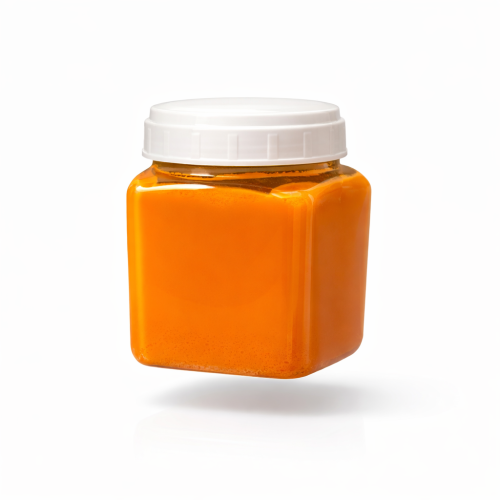
Cassava Flour vs. Yam Flour vs. Plantain Flour: What Is the Difference?

Cassava, yam, and plantain flours come from different plants and do not behave exactly the same in a recipe. Understanding their flavor, texture, and traditional uses helps you select the right product and avoid disappointing substitutions.
Cassava flour
Cassava flour is made from the cassava root. It has a mild flavor and can be used in traditional swallow preparations, baked goods, and other recipes depending on how the product was processed. Gari and fermented fufu flour also come from cassava, but they are not interchangeable with plain cassava flour.
Yam flour
Yam flour is made from true yams, not sweet potatoes. Instant pounded-yam flour is designed to produce a smooth, stretchy accompaniment for soup. Elubo, used for amala, is processed differently and creates a darker color and distinctive earthy flavor. Check the package name before purchasing because both products may be described broadly as yam flour.
Plantain flour
Plantain flour is commonly produced from green plantains and has a gentle plantain flavor. It may be prepared as a swallow, added to porridge, or used in baking recipes formulated for it. Some fufu blends combine plantain with cassava for a balanced texture.
Can they be substituted?
Not automatically. Water absorption, elasticity, and flavor vary by flour and manufacturer. Follow the package directions and use recipes written for that exact type of flour. Browse Magache’s rice, grains, and flour collection to compare available options.